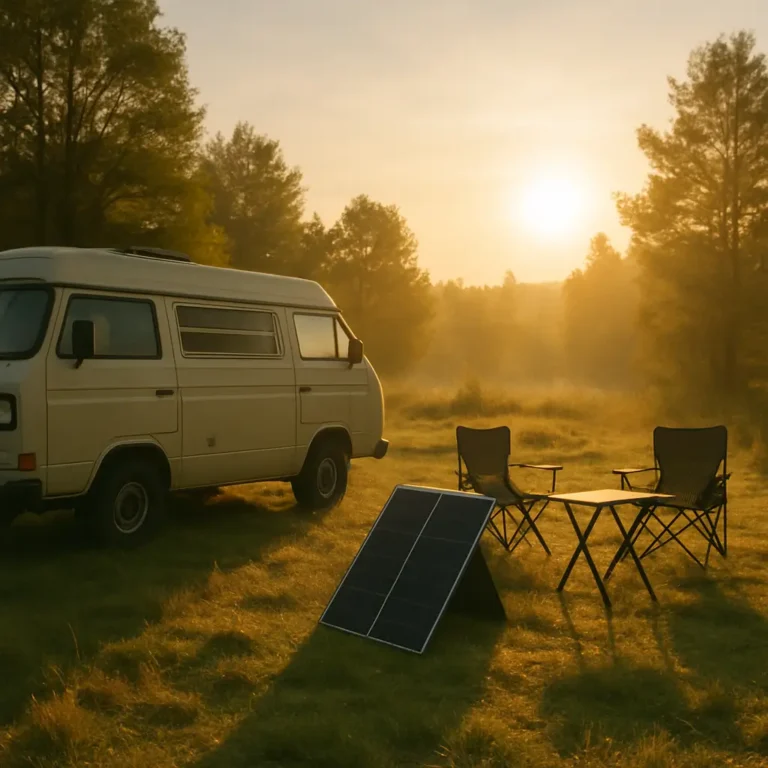
Imagine waking up miles away from civilization, surrounded by towering pines and the crisp morning air, yet still having the power to brew a fresh cup of coffee, keep your portable fridge running, and charge your camera gear. To make this modern off-grid experience a reality, you need reliable portable solar energy for camping. Finding the right gear and tracking down the best portable solar panels deals can transform your outdoor adventures from primitive survival into a comfortable, sustainable escape.
As remote working and extended road trips become increasingly popular, the demand for portable solar solutions has skyrocketed. Navigating the market, however, can be overwhelming. From choosing the correct wattage to understanding charge controllers, this comprehensive guide will walk you through the solar electricity for camping essentials you need to stay powered up off the grid.
Portable solar equipment has improved dramatically over the past few years. Modern monocrystalline panels regularly exceed 22% conversion efficiency, portable power stations now accept high solar input rates, and lightweight folding designs make transporting a complete off-grid power system much easier than it was only a few seasons ago.
Choosing the right equipment, however, involves more than simply buying the largest panel you can afford. Daily energy consumption, battery capacity, charging speed, weather conditions, and available sunlight all determine how well your system performs once you arrive at camp. Understanding how these factors work together will save money and prevent one of the most common mistakes beginners make: buying equipment that doesn’t match their actual needs.
Table of Contents
Why Invest in Portable Solar for Off-Grid Camping?
Many beginners looking at outdoor gear inevitably ask: are portable solar panels worth the investment? The short answer is an absolute yes.
Historically, campers relied on noisy, heavy, and fume-producing gas generators. Today, bringing portable solar power into the wild means embracing a silent, green, and endlessly renewable energy source. Once you purchase the equipment, the fuel is completely free.
The benefits of portable solar energy extend far beyond convenience:
- Zero Emissions: Keep the pristine air of your campsite clean.
- Silent Operation: Enjoy the sounds of nature without the disruptive hum of a motor.
- Low Maintenance: Mobile solar panels have no moving parts, making them incredibly durable and requiring almost zero maintenance compared to traditional generators.
- Versatility: You can use these panels to top off a deep-cycle RV battery, charge a standalone power station, or simply keep a smartphone alive on a backpacking trip.
Whether you are looking for sun panels for camping to power a weekend getaway or seeking portable solar panels for home use during emergency power outages, investing in a robust, independent power source pays dividends in peace of mind.
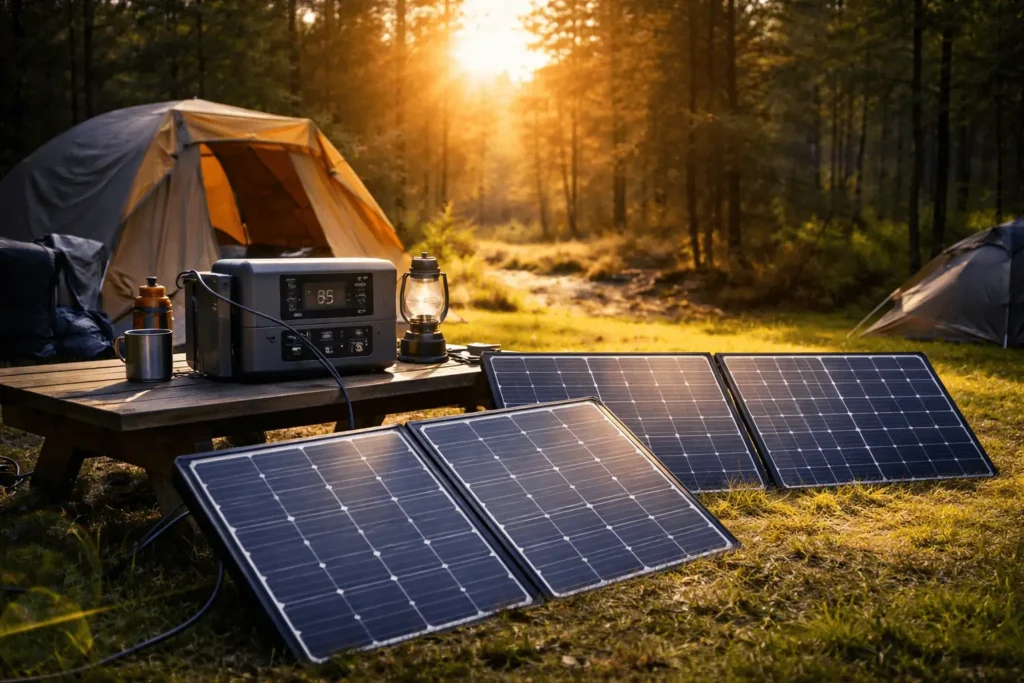
Portable solar equipment also provides a level of flexibility that traditional generators simply cannot match. You can place your solar panels 20 or 30 feet away in full sunlight while keeping your power station safely inside the shade of your tent or vehicle. This keeps batteries cooler during hot summer days and allows your campsite to remain organized without constantly moving heavy equipment.
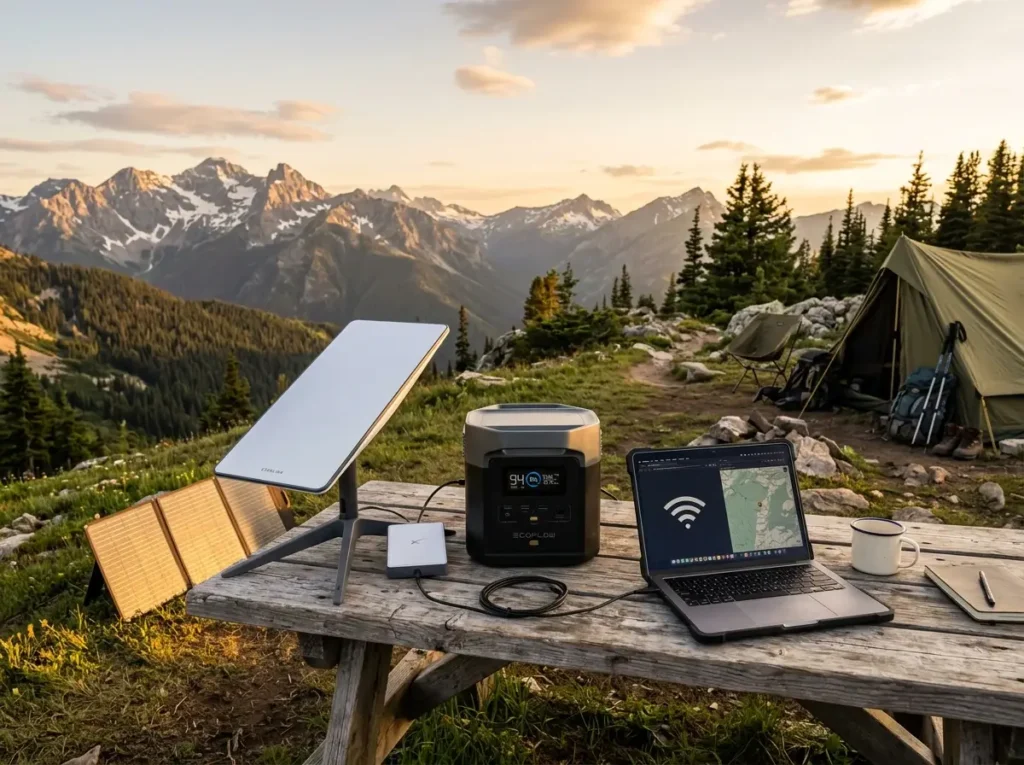
For campers who spend multiple days in one location, this daily energy independence becomes one of the biggest advantages. Instead of carefully rationing battery capacity, your system produces fresh energy every sunny day, allowing you to recharge cameras, drones, laptops, Starlink equipment, and portable refrigerators without relying on campground hookups.
Common Mistake
Many first-time buyers focus only on solar panel wattage while ignoring battery capacity. A powerful 400W solar panel cannot store energy by itself. Without a properly sized portable power station or battery bank, much of that available solar energy goes unused. Always think of your solar system as three connected components: the solar panel, the charge controller, and the battery.
Types of Portable Solar Gear: Finding Your Perfect Match
When exploring portable solar panels for camping, you will quickly realize that solar technology comes in several distinct form factors. Choosing the right design depends entirely on your travel style, space constraints, and power requirements.
Folding and Collapsible Panels
For most car campers and RV enthusiasts, folding solar panels offer the best balance of power output and storage convenience. These units are typically constructed from rigid or semi-rigid panels hinged together in a briefcase style.
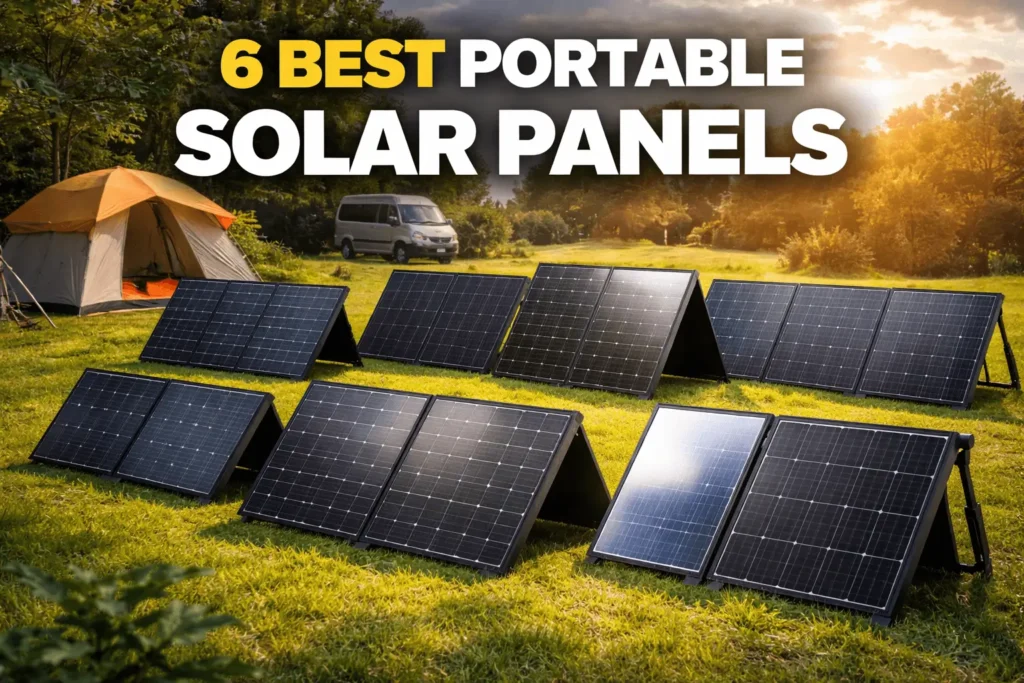
The best folding solar panels feature built-in kickstands, allowing you to angle them perfectly toward the sun. If you are specifically searching for the best folding solar panels for camping, look for units that come with pre-installed charge controllers and universal connector cables.
Variations of these designs include portable foldable solar panels and fabric-backed collapsible solar panels. The latter is incredibly popular because a fabric-bound solar panel foldable unit is highly resistant to shattering and can be easily tucked behind a car seat. Whether you prefer rigid portable folding solar panels or flexible canvas options, this category dominates the camping market for its user-friendly plug-and-play nature.
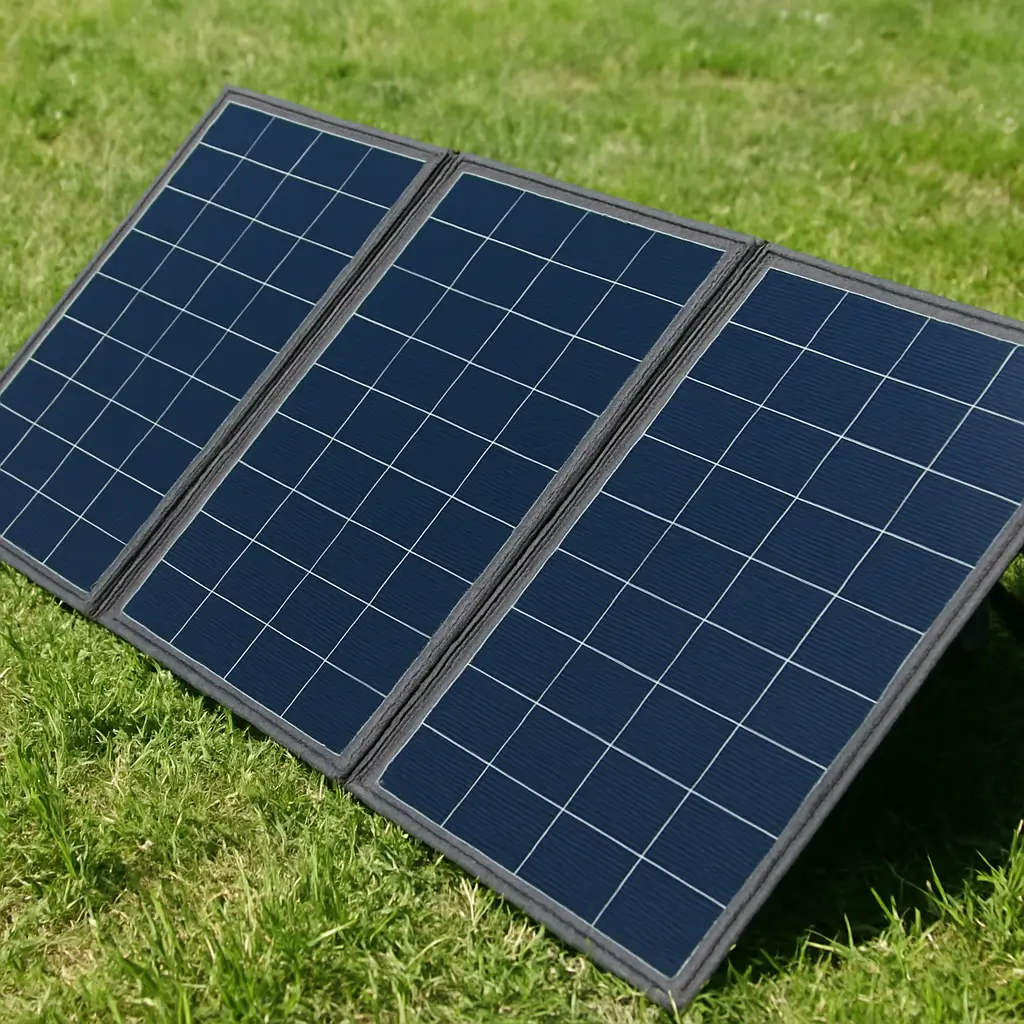
One practical advantage of folding panels is how quickly they can be repositioned throughout the day. Since portable systems are not permanently mounted to a roof, you can rotate them every few hours to follow the sun. This simple habit often produces noticeably more energy than leaving roof-mounted panels fixed in one direction all day.
Premium folding panels also include reinforced handles, magnetic closures, waterproof storage pockets for cables, and integrated kickstands with multiple angle positions. While these features may seem minor during shopping, they make daily setup significantly easier during extended camping trips.
Complete Systems and Kits
If you are building an off-grid setup from scratch, piecing together individual components can be frustrating. This is where portable solar power kits shine. A high-quality portable solar panel kit will typically include the panels, a charge controller, the necessary wiring, and sometimes even the mounting hardware.
Purchasing a comprehensive portable solar power system ensures that all your components are electrically compatible right out of the box. A cohesive portable solar system eliminates the guesswork of matching voltage and amperage limits. For larger RV setups or off-grid cabins, you might look intp a larger system portable solar panel array, while smaller weekend warriors can get away with compact portable solar kits designed specifically to pair with lithium-ion power stations.
Complete kits also reduce compatibility problems that often frustrate beginners. Connectors, cable sizes, charging voltages, and controller settings have already been matched by the manufacturer, allowing users to spend more time enjoying their campsite instead of troubleshooting electrical connections.
For anyone purchasing their first portable solar system, a complete kit usually offers better long-term value than buying every component separately. As your experience grows, you can always expand the system by adding larger panels or additional battery capacity.
Ultralight and Heavy-Duty Extremes
For the backpacker, every ounce matters. In this scenario, heavy briefcases won’t cut it, and you will need lightweight solar panels for hiking. These are usually small, 10W to 30W arrays that can clip onto your backpack, acting as a solar cell camping lifeline for GPS devices and headlamps.
On the opposite end of the spectrum, off-grid glampers running air conditioners or massive battery banks might require an outdoor solar panel 1000w array. While 1000 watts of transportable solar panels will take up significant cargo space, deploying them guarantees you can live off-grid indefinitely without sacrificing modern comforts.
There is no universal “best” portable solar panel. A backpacker carrying equipment for several days has completely different priorities than someone living full-time in a camper van. Weight, available storage space, daily power consumption, and travel style should always determine your buying decision before maximum wattage.
Many experienced campers eventually own more than one portable panel. A compact panel works well for weekend hikes, while a larger folding array stays in the camper or RV for longer adventures.
How Much Solar Power Do You Actually Need?
One of the biggest misconceptions about portable solar is assuming that more wattage automatically creates a better camping setup. In reality, the best system is one that closely matches your daily electricity usage.
Start by making a simple list of every device you plan to power. Write down its approximate wattage and estimate how many hours you use it each day. Multiplying those numbers gives you your daily energy consumption in watt-hours (Wh).
For example:
- Smartphone: 15Wh
- Laptop: 70Wh
- Camera batteries: 30Wh
- Portable fridge: 350Wh
- LED lights: 25Wh
This camper would consume roughly 490Wh per day.
A single 100W portable solar panel can often generate between 350Wh and 550Wh during a clear summer day, depending on sunlight, panel orientation, and temperature. If your daily energy usage consistently exceeds that amount, adding another panel usually provides better results than purchasing a much larger battery alone.
RV owners planning extended off-grid trips should also read our best solar generator for RV buying guide.
How to Choose Portable Solar Panels: Key Considerations
Understanding how to choose portable solar panels requires looking beyond the marketing hype and focusing on technical specifications. Here are the primary factors to evaluate before making a purchase.
Panel Technology: Monocrystalline vs Polycrystalline Portable Panels
When comparing portable solar power panels, you will frequently encounter two terms: monocrystalline and polycrystalline.
- Monocrystalline Panels: Made from a single, continuous crystal structure. They are highly efficient, perform better in low-light conditions, and have a smaller footprint for the same wattage. They are generally more expensive but are the superior choice for camping where space is limited.
- Polycrystalline Panels: Made from fragmented silicon melted together. They are slightly less efficient and take up more physical space, but they are more budget-friendly.
For modern off-grid travel, the monocrystalline vs polycrystalline portable panels debate heavily favors monocrystalline, especially in compact folding solar panels for camping.
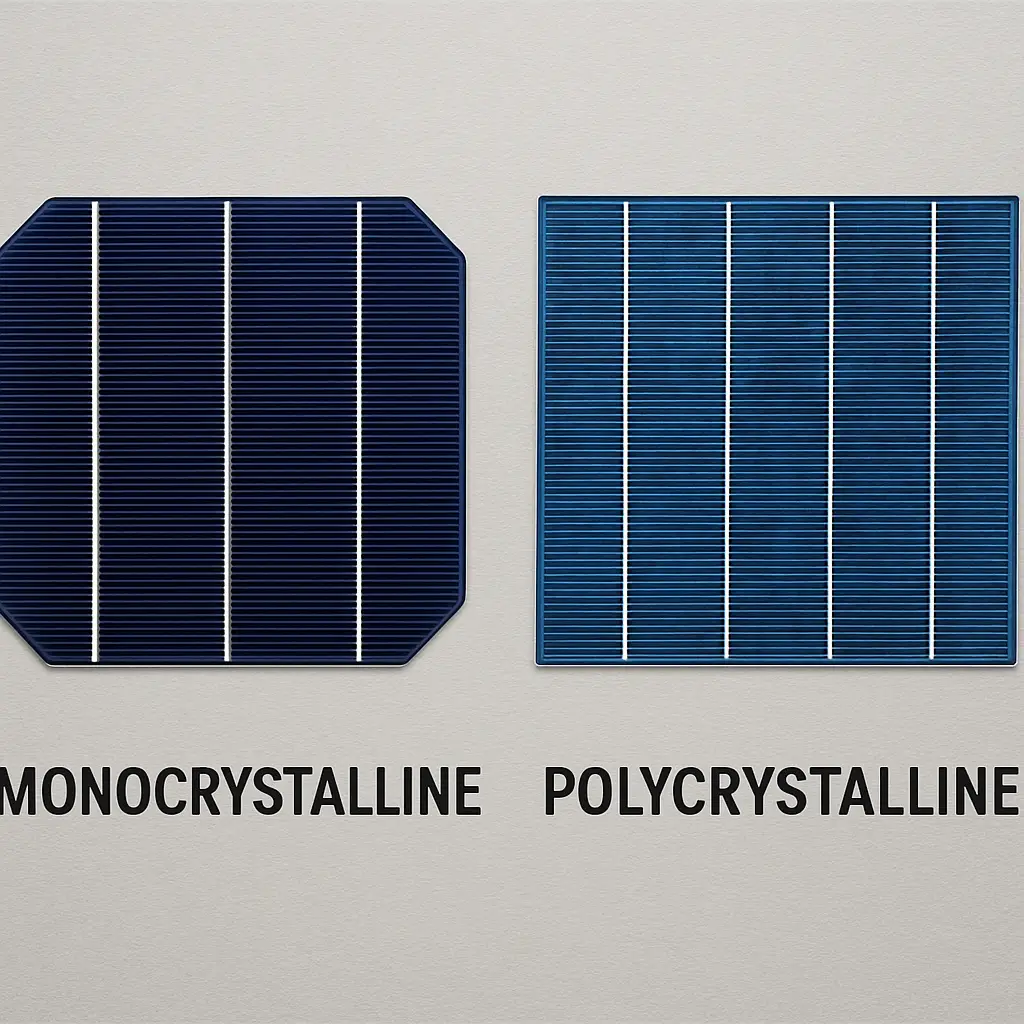
Although both technologies convert sunlight into electricity, the difference becomes much more noticeable during real camping trips than it does on a product specification sheet. Early in the morning, late in the afternoon, or during partly cloudy weather, monocrystalline panels generally maintain stronger output. That extra energy collected over an entire day can easily translate into several additional hours of battery runtime.
Physical size also matters when packing a vehicle. A more efficient panel produces the same wattage using less surface area, making it easier to store behind a truck seat, inside a camper van, or alongside other camping equipment. For travelers with limited cargo space, this advantage often outweighs the slightly higher purchase price.
If you only camp a few weekends each year and mainly charge phones or small electronics, polycrystalline panels can still provide excellent value. For frequent travelers, RV owners, van lifers, or anyone relying on solar power every day, monocrystalline technology remains the better long-term investment.
Real-World Efficiency vs Advertised Wattage
Many buyers expect a 200W solar panel to continuously produce 200 watts throughout the day. That almost never happens outside of laboratory testing conditions.
Manufacturers measure panel output under Standard Test Conditions (STC), which assume ideal sunlight intensity, perfect panel orientation, and controlled temperatures. Real campsites rarely provide those conditions.
A quality 200W portable panel will often produce:
- 170W to 190W in excellent midday sunshine
- 120W to 160W during normal summer conditions
- Less than 100W on cloudy days
These numbers are completely normal and should not be viewed as poor performance. Trees, dust, cable losses, high temperatures, and imperfect sun angles all reduce output to some degree.
Planning your off-grid system around realistic production instead of advertised wattage leads to much better results.
Efficiency Ratings and MPPT Technology
Not all solar panels are created equal. When evaluating options ,always check the portable solar panel efficiency ratings. Most high-quality portable solar panels boast an efficiency rate between 20% and 23%. This percentage dictates how much of the sunlight hitting the panel is actually converted into usable electricity.
Equally important to the panel’s efficiency is the charge controller you use. Understanding maximum power point tracking technology benefits (MPPT) is crucial. An MPPT charge controller actively monitors the voltage and current coming from your panels, adjusting dynamically to ensure the absolute maximum amount of power is pushed into your battery. Compared to older PWM (Pulse Width Modulation) controllers, an MPPT controller can increase your energy harvest by up to 30%, especially in cloudy or cold conditions.
Many portable power stations already include an internal MPPT controller. In those cases, you simply connect compatible solar panels directly into the power station without purchasing a separate controller. This makes portable solar systems significantly easier to use compared to traditional DIY battery installations.
If you’re building a custom off-grid system with standalone batteries, choosing a quality MPPT controller often becomes one of the smartest upgrades you can make. Even a small improvement in charging efficiency adds up over hundreds of charging cycles throughout the year.
Our detailed guide on MPPT vs PWM: Best Solar Charge Controllers for 2026 explains exactly when paying extra for MPPT technology makes financial sense and when a PWM controller is still the better option.
Expert Tip
Solar panels rarely operate at their rated voltage throughout the day. An MPPT controller constantly adjusts to these changing conditions, allowing the battery to receive the highest practical charging power. This becomes especially valuable during cold mornings, changing cloud cover, or partially shaded campsites.
Durability and Weather Resistance
Nature is unpredictable. A sudden downpour or high wind can spell disaster for cheap electronics. Therefore, finding weather resistant solar chargers for outdoors is vital.
When shopping, look for panels with an IP65 or IP67 waterproof rating. Manufacturers often highlight foldable solar array durability testing in their product descriptions, showcasing their panels surviving extreme heat, freezing temperatures, and water exposure. The ETFE (Ethylene Tetrafluoroethylene) coating is currently the gold standard for portable solar surfaces, providing excellent light transmittance while being highly resistant to scratches, water, and heat degradation.
Pay attention to connector quality as well. Many inexpensive portable panels use lower-grade connectors or thinner cables that create additional resistance and reduce charging efficiency. Premium manufacturers typically use heavy-duty MC4 connectors and thicker wiring capable of handling higher current with lower electrical losses.
Storage is another factor that buyers often overlook. Folding panels spend much of their life inside vehicles where vibration, dust, moisture, and repeated opening and closing slowly wear down hinges and cable entry points. Reinforced stitching, aluminum frames, and ETFE-coated surfaces generally survive years of camping far better than low-cost laminated alternatives.
Sizing Your System: Powering Your Specific Needs
The most common question beginners ask is: what size solar panel for power station do I actually need? The answer depends entirely on your daily energy consumption and the capacity of your battery bank.
Instead of asking “What size solar panel should I buy?”, ask a different question:
“How much electricity do I actually use every day?”
That small change completely shifts the buying process.
Someone charging only phones and cameras may never need more than a compact 60W panel. Another camper running Starlink Mini, a compressor refrigerator, drone batteries, and a laptop could easily consume six to eight times as much energy each day.
Your solar system should always be built around daily energy demand instead of maximum panel wattage.
Understanding Solar Panel Wattages for Electronic Devices
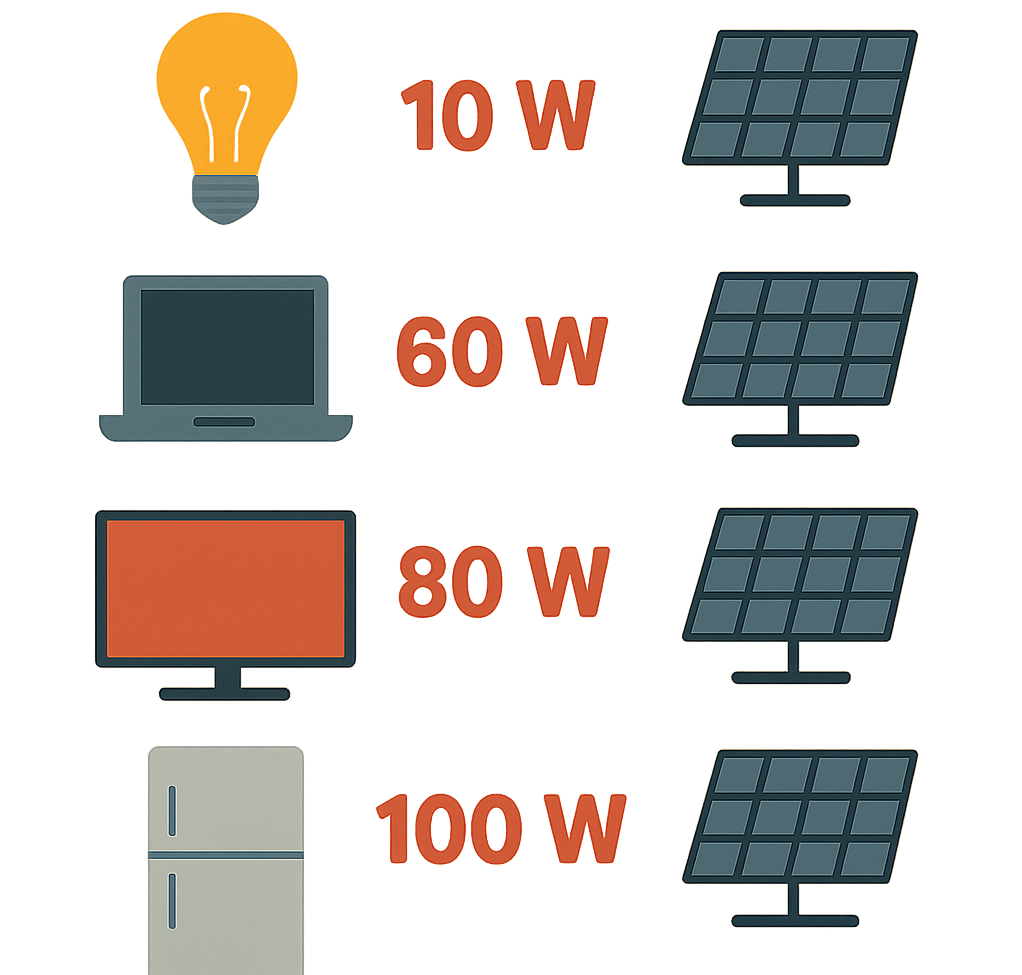
To size your system correctly, you must calculate the solar panel wattages for electronic devices you plan to run.
- Smartphones and Tablets: Require minimal power. A 20W to 50W panel is usually sufficient for directly charging phone with portable solar charger setups.
- Laptops and Drones: Require more robust power. A 100W to 120W panel is the sweet spot.
- Portable 12V Fridges and CPAP Machines: These draw steady, continuous power. You will likely need 200W to 400W of portable solar cells camping gear to keep a battery topped up for these devices.
- High-Draw Appliances (Microwaves, Coffee Makers): These require massive power stations. You will need to daisy-chain multiple panels or invest in high-capacity solar panels for portable power station arrays (e.g., 600W+).
Remember that devices with heating elements consume dramatically more electricity than electronics powered by small batteries.
For example:
- LED lantern: 5W
- Smartphone charger: 20W
- Laptop charger: 65W
- Portable refrigerator: 45W to 70W while running
- Coffee maker: 700W to 1200W
- Electric kettle: 1000W to 1500W
Large appliances can empty a small portable power station surprisingly quickly, even if your solar panels are producing plenty of energy throughout the day.
Example Camping Solar Setups
Weekend Camper
- 100W portable solar panel
- 500Wh power station
- Phones
- Camera batteries
- LED lighting
Van Life Setup
- Two 200W folding solar panels
- 1000Wh to 2000Wh power station
- Portable refrigerator
- Laptop
- Starlink Mini
- Drone batteries
Family Camping
- 300W to 400W portable solar array
- Large battery bank
- Refrigerator
- Lighting
- Coffee maker
- Multiple USB devices
Building your system around actual usage prevents unnecessary spending while ensuring enough available power throughout your trip.
Matching the Panel to the Power Station
If you own a portable power station (like a Jackery, EcoFlow, or Bluetti), check its maximum solar input limit. If your power station maxes out at 200W of solar input, plugging in a 400W panel won’t charge it any faster.
For the average weekend camper, a 500Wh power station paired with a 100W to 200W panel is an excellent baseline. For extended off-grid living, you may need a 2000Wh battery bank fed by an impressive array of portable solar panels.
Many manufacturers now publish recommended panel pairings for each portable power station. Following those recommendations usually provides the fastest charging speeds while staying safely within the station’s input limits.
Oversizing your solar array can still be beneficial in less-than-perfect weather because the power station simply limits incoming power to its maximum accepted input. However, understanding those limits before purchasing additional panels prevents unnecessary expense.
If you’re still comparing portable power stations, check out our guide to the Best Portable Solar Generator for Camping in 2026 to find models that pair efficiently with portable solar panels.
Hunting for the Best Portable Solar Panels Deals
High-quality solar gear is an investment, but you don’t always have to pay full retail price. Knowing when and where to find the best portable solar panels deals can save you hundreds of dollars.
To make an informed purchase, utilize a portable solar panel price comparison guide. These guides compile data across various brands, breaking down the cost-per-watt. Typically, you should aim to pay between $1.50 and $2.50 per watt for high-quality folding solar panels. If you find a 200W panel for $300,, that is an excellent deal.
Price should never be the only deciding factor. A panel that costs slightly more but delivers higher real-world output, better weather resistance, and a longer service life often becomes the cheaper purchase over several years of camping.
Before buying, compare more than just wattage. Check the panel weight, folded dimensions, connector type, warranty period, ETFE coating, included accessories, and maximum operating voltage. Two panels with identical wattage ratings can perform very differently in everyday use.
The best times to find off grid solar power equipment sales include:
- Spring Sales: As brands prepare for the summer camping season, they often discount last year’s models.
- Amazon Prime Day / Cyber Week: Major e-commerce holidays are prime hunting grounds for massive discounts on portable solar panel kit bundles.
- Direct-to-Consumer Promos: Many solar companies offer exclusive discounts or free accessories when you buy directly from their websites and sign up for their newsletters.
Another smart strategy is to compare previous-year models. Portable solar technology evolves gradually, meaning last year’s premium panel often performs almost identically to the newest version while selling at a significant discount.
Reading verified customer reviews also helps identify patterns that product descriptions rarely mention. Pay attention to comments discussing long-term durability, cable quality, hinge strength, zipper reliability, and real charging performance rather than focusing only on star ratings.
Pro Tip: Don’t just focus on the price tag. Ensure the deal includes the necessary MC4 or XT60 cables. A “cheap” panel that requires you to buy $50 worth of adapters is not a true bargain.
Common Beginner Mistakes When Using Portable Solar
Buying quality equipment is only half the equation. Many new campers unknowingly reduce charging performance through small setup mistakes that are easy to avoid.
The most common mistakes include:
- Leaving panels flat on the ground all day.
- Parking the vehicle so it casts a shadow across the panels.
- Using cables that are longer than necessary.
- Expecting the advertised wattage under poor weather conditions.
- Purchasing oversized solar panels without enough battery capacity.
Correcting these simple issues often improves charging performance more than upgrading to a larger panel.
Practical Tips for Maximizing Your Solar Electricity For Camping
Once you have secured your gear, deploying it correctly makes all the difference. Even the most expensive mobile solar panels will underperform if used incorrectly.
Optimize Your Angles
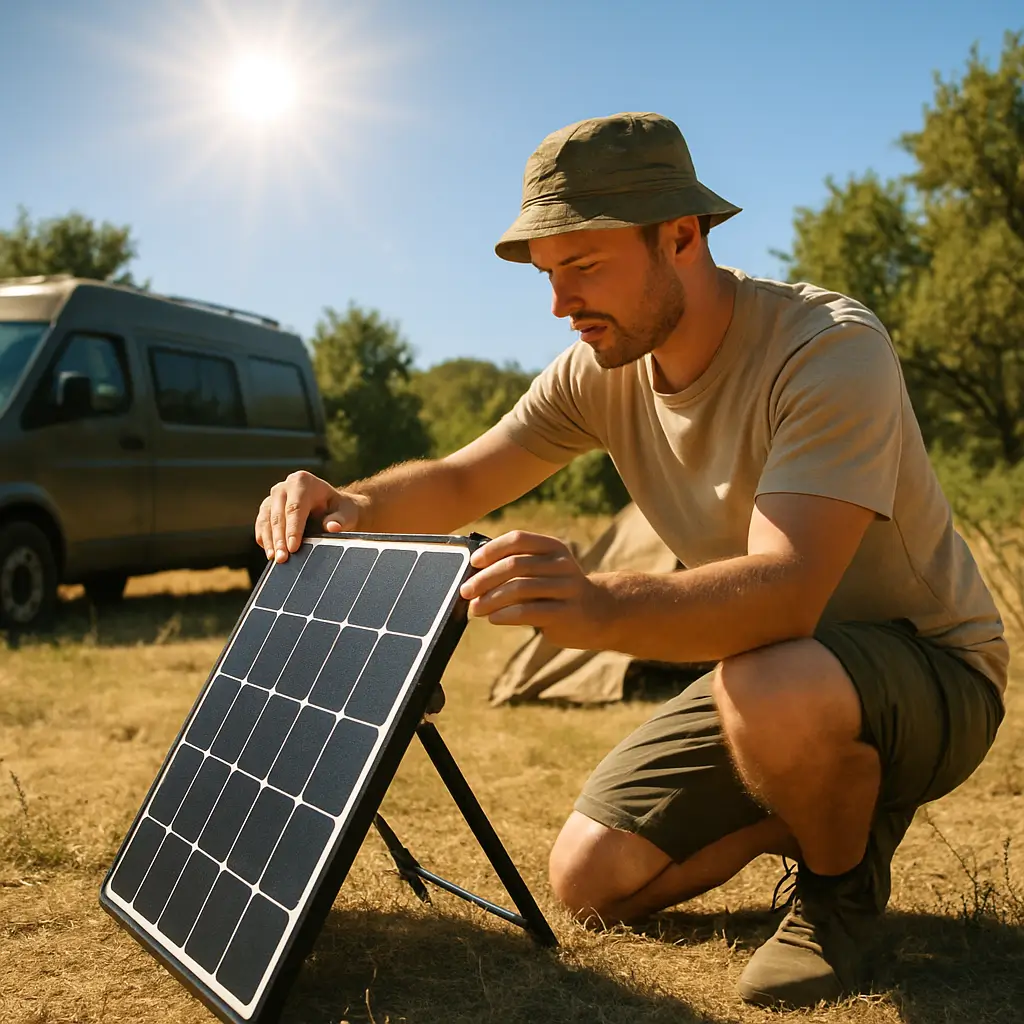
The sun moves, and so should your panels. Portable solar panel mounting options range from simple built-in kickstands to complex adjustable tripod mounts. To maximize efficiency, position your panels perpendicular to the sun’s rays. Adjusting your panels 2-3 times a day to track the sun can increase your daily energy harvest by up to 25%.
During summer, the sun changes position throughout the day much faster than many people realize. Simply rotating your portable panels every two to three hours keeps them closer to the optimal angle and increases total daily energy production without spending a single extra dollar.
Even a difference of 20 to 30 degrees can noticeably reduce charging efficiency during the morning and late afternoon. Portable systems have one major advantage over roof-mounted panels because they can always face the sun regardless of where your vehicle is parked.
Mind the Shadows
Solar panels are highly sensitive to shading. Even a single leaf or the shadow of a tent pole falling across a small section of your sun panels for camping can drastically reduce the output of the entire array. Always set up in wide, open spaces.
Shade does not need to cover the entire panel to reduce output. A narrow branch crossing only a few solar cells can lower production dramatically depending on how the cells are wired internally.
Before setting up camp, spend a few minutes observing how nearby trees will cast shadows during the afternoon. A location that looks perfect at 9:00 AM may become almost completely shaded by lunchtime.
Charge a Battery, Not Just the Device
While charging phone with portable solar charger directly from the panel is possible, passing clouds can cause the charging to start and stop, which can trigger device errors or battery strain. The most efficient way to use your setup is to plug your panels into a power station or battery bank, and then charge your devices from the battery. This ensures a steady, regulated flow of electricity.
Using a portable power station also protects sensitive electronics from fluctuating solar input caused by passing clouds. Instead of receiving unstable charging directly from the panel, your devices draw consistent power from the battery while the battery itself absorbs variations in solar production.
This approach also allows you to continue using electricity after sunset, which is ultimately the primary reason most campers invest in portable solar systems.
Beyond the Campsite
Don’t pack your gear away when the camping trip ends. Portable solar panels for home use are incredibly practical. Keep your power station and panels easily accesible in your garage or closet. In the event of a localized power outage or severe weather, your off-grid camping setup instantly transforms into a critical home emergency power supply, capable of keeping your internet router running, your phones charged, and your emergency lights on.
Many homeowners eventually discover that their camping equipment becomes one of the most valuable emergency preparedness tools they own.
A portable solar panel paired with a power station can keep internet equipment, phones, LED lighting, medical devices, radios, and laptops operating during power outages without the noise, maintenance, or fuel requirements associated with gasoline generators.
For families living in areas affected by storms, hurricanes, or wildfire-related outages, portable solar offers value long after camping season ends.
How to Maintain Portable Solar Panels
Portable solar panels require very little maintenance, but a few simple habits will keep them performing efficiently for many years.
Clean the panel surface regularly using clean water and a soft microfiber cloth. Dirt, pollen, bird droppings, and dust gradually reduce light transmission and lower charging efficiency.
Avoid placing heavy objects on folded panels during transport. Pressure points can damage solar cells even when no external cracks are visible.
Inspect cables and connectors several times each season. Loose connections, damaged insulation, or corroded terminals increase electrical resistance and reduce charging performance.
When storing your equipment during winter, keep it in a dry location away from direct sunlight and excessive heat. Batteries should also be stored according to the manufacturer’s recommended charge level to maximize lifespan.
If you’re still deciding which portable panel deserves a place in your camping setup, our detailed comparison of the Best Portable Solar Panels for Camping and Off-Grid Use breaks down efficiency, portability, durability, and real-world charging performance.
Solar Electricity for Camping FAQs
What is the best solar electricity for camping setup?
A good starter setup is a portable power station paired with portable solar panels for camping (typically 100W-200W) so you can recharge during the day and run devices from the battery at night.
What size solar panel do I need for camping?
It depends on what you run. Phones/cameras often work with 20W-60W, laptops usually need ~100W, and fridges/CPAP commonly do best with 200W – 400W plus a properly sized battery or power station.
Are folding solar panels good for camping?
Yes. Folding solar panels for camping are popular because they pack small, set up fast, and can be angled toward the sun for better output.
Can portable solar panels charge a portable power station?
Yes – many are designed specifically as solar panels for portable power station charging. Just match the panel’s connectors and voltage range to your power station’s solar input specs.
Do portable solar panels work in shade or cloudy weather?
They still work, but output drops significantly. Even partial shade can reduce performance a lot, so place sun panels for camping in full sun and re-angle them as the sun moves.
What’s better for camping: monocrystalline or polycrystalline panels?
Monocrystalline panels are typically more efficient and better when space is limited – often the best choice for portable solar power panels used at camp.
How long does it take to charge a power station with portable solar?
Charging time depends on battery size, panel wattage, and sun conditions. As a rough rule, a 500Wh power station with a 100W panel can take most of a sunny day; 200W – 300W is much faster.
What should I look for in a portable solar panel kit?
Prioritize real-world wattage performance, durable materials (often ETFE), compatible connectors, and an MPPT-capable charging setup (either in the power station or via a controller) for more reliable portable solar power.
Is Portable Solar Worth It for Camping?
For most campers, the answer is yes.
Portable solar systems eliminate fuel costs, reduce noise, require almost no maintenance, and provide a dependable source of electricity almost anywhere sunlight is available.
While the initial investment may seem higher than buying a small gas generator, operating costs remain close to zero for years. Campers who regularly travel off-grid often recover that investment through convenience, reliability, and the freedom to stay away from powered campsites for much longer.
Choosing equipment that matches your actual energy needs remains far more important than simply buying the highest advertised wattage.
Final Thoughts
Portable solar has reached a point where it is no longer reserved for experienced off-grid enthusiasts. Reliable folding panels, efficient portable power stations, and modern battery technology have made solar electricity practical for almost every type of camper.
Whether you’re planning weekend camping trips, extended van life adventures, remote work with Starlink Mini, or simply preparing for emergency power outages at home, choosing the right portable solar equipment gives you far greater flexibility and energy independence.
Start by calculating your daily power consumption, invest in quality equipment that fits your travel style, and leave room for future expansion. A well-designed portable solar system can provide dependable power for many years while making every off-grid trip quieter, cleaner, and considerably more comfortable.