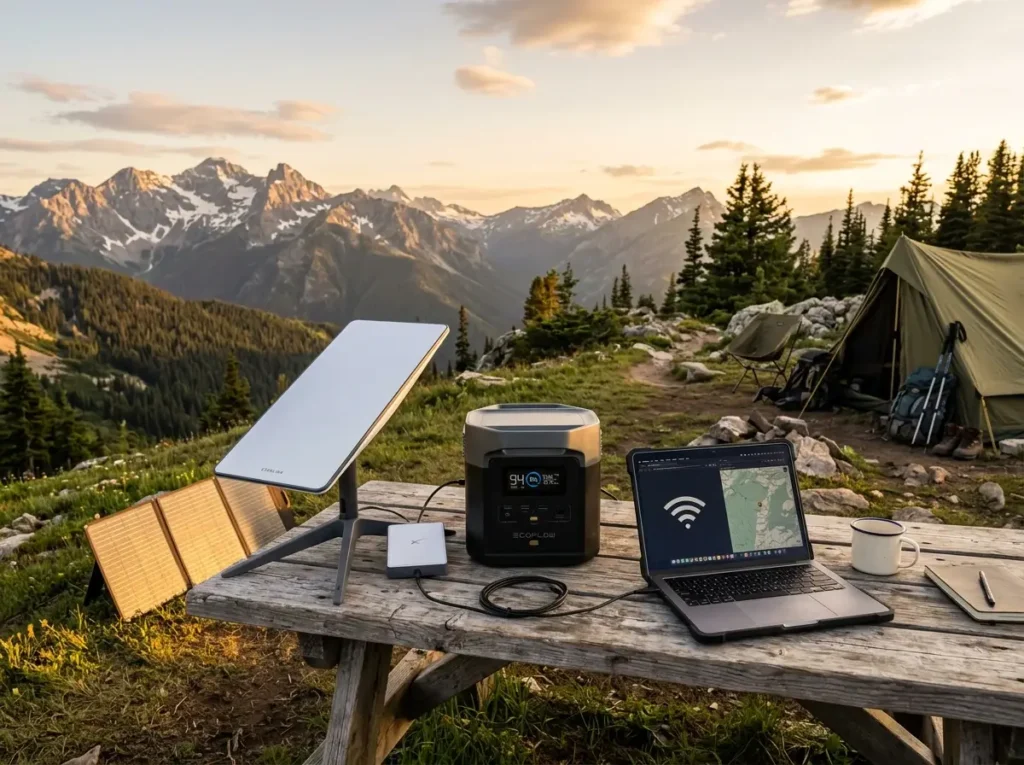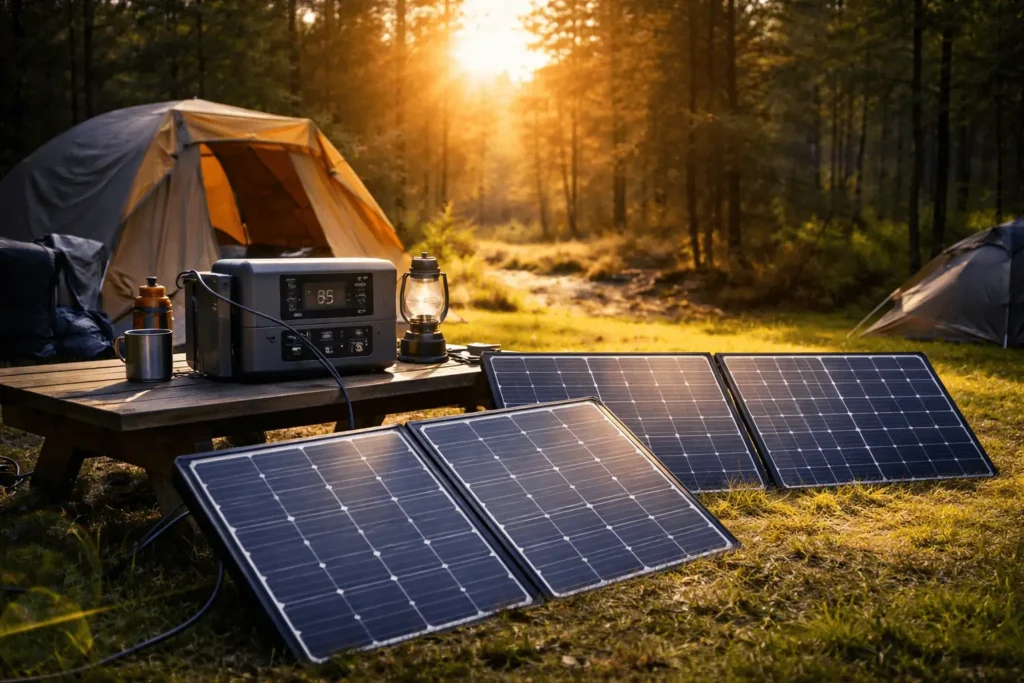
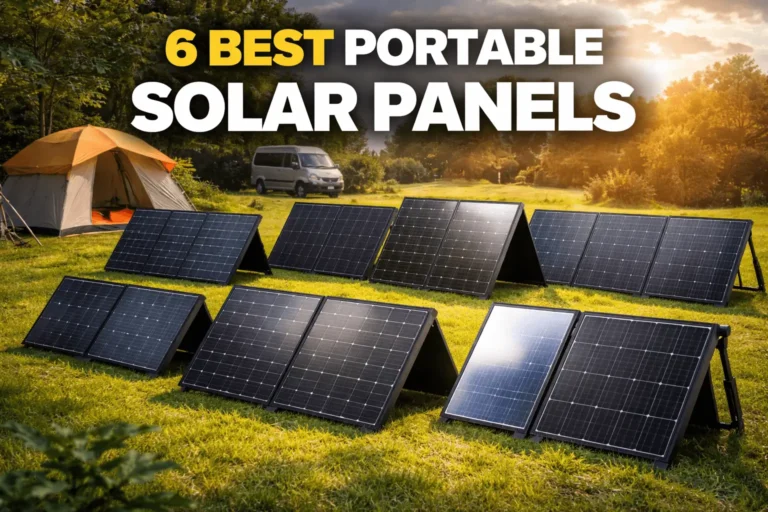
Most camping trips end when the batteries die. You can bring the best portable power station in the world, but without a way to replenish those cells, you are just carrying a heavy paperweight. Portable solar panels for camping solve this by converting photons into DC current, keeping your fridge running and your Starlink Mini connected in the middle of nowhere.
The market is currently flooded with cheap, thin-film panels that degrade after one summer. Professional off-grid setups require monocrystalline cells, ETFE lamination, and high conversion efficiency. This guide breaks down the top six portable solar panels based on real-world performance metrics, durability, and charging speeds for 2026.
Table of Contents
Quick comparison table of portable solar panels for camping
| Product | Power Output | Efficiency | Weight (lbs/kg) | Waterproof Rating | Best Use Case | Check on Amazon |
|---|---|---|---|---|---|---|
| DOKIO 150W | 150W | High | 9 lbs / 4.1 kg | Splash-resistant | Budget + flexibility | Check Price |
| GRECELL 100W | 100W | 23.5% | ~8 lbs / 3.6 kg | Weather-resistant | Lightweight setups | Check Price |
| Twelseavan 200W | 200W | 24% | 15.7 lbs / 7.1 kg | IP65 | Fast charging | Check Price |
| Renogy 200W | 200W | 25% | 13.89 lbs / 6.3 kg | IP65 | High efficiency | Check Price |
| EcoFlow 220W Bifacial | 220W | 25% | 15.4 lbs / 7 kg | IP68 | Maximum output | Check Price |
| Jackery SolarSaga 100W | 100W | 25% | ~10 lbs / 4.5 kg | IP68 | Reliable ecosystem | Check Price |
Why Portable Solar Panels for Camping Matter More Than You Think
Before buying a portable solar panels for camping, calculate your harvest. A 100W panel rarely produces 100W. Atmospheric haze, heat, and sun angle usually cap actual output at 70 to 80 percent of the rated capacity. Starlink Mini consumes between 25W and 40W. To run the dish and still have enough leftover energy to charge a battery, a 100W panel is the bare minimum.
If you plan to use a laptop and a 12V fridge simultaneously, move up to a 200W unit. According to energy standards outlined by Forbes, lithium-ion and LiFePO4 batteries stay healthier when they are not subjected to deep discharge cycles. Having a larger solar array ensures your power station stays in the 20 to 80 percent charge “sweet spot” even on overcast days.
Example:
- 100W panel in real conditions gives around 60-75W
- That means 12 to 15 hours to recharge a 1000Wh generator
- That is two full days of sunlight
Now compare:
- 200W panel gives 120-150W real output
- Same battery charges in 6-8 hours
That difference decides whether your setup works or fails.
If you already read your generator setup, especially for Starlink, you already know power consumption matters. Charging speed matters even more.
1. DOKIO 150W Portable Solar Panel for camping
This is the budget entry that still gets the job done.
You do not get premium build. You get flexibility.
Key Specs:
- 150W output
- 9 lbs / 4.1 kg
- Folded compact design
- Includes PWM controller
- 9.8 ft cable
The long cable matters more than people think. You can keep your generator in shade and panel in direct sun. That improves efficiency and battery temperature.
The included controller makes it beginner-friendly. You do not need extra gear.
Where it fits:
- Small setups
- Backup power
- Casual camping
Not ideal for fast charging large batteries. But solid for the price.
2. GRECELL 100W Portable Solar Panel for camping
This one focuses on competibility and simplicity.
It connects to almost everything out of the box.
Key Specs:
- 100W output
- 23.5% efficiency
- Multiple DC adapters included
- Foldable briefcase design
- Kickstands included
You get stable output and easy setup. No guesswork.
It supports series and parallel connections. That means you can scale later. Add a second panel and double your input.
Where it fits:
- Beginners
- Light travel setups
- Charging small power stations
This is not about speed. It is about reliability.
3. TWELSEAVAN 200W Portable Solar Panel for camping
This one starts entering serious territory.
200W panels change how your system behaves.
Key Specs:
- 200W output
- 24% efficiency
- 15.7 lbs / 7.1 kg
- IP65 waterproof
- 60W USB-C + QC3.0 ports
- MC4 connectors
The USB-C port alone can power laptops directly. That removes load from your power station.
The efficiency sits at 24 percent. That is strong for this category.
Where it fits:
- Medium to large setups
- Faster charging needs
- Hybrid direct + battery usage
This is where off-grid setups start to feel usable.
4. Renogy 200W Portable Solar Panel for Camping
Renogy does not play in the budget category. They focus on performance.
This panel uses newer N-Type cells.
Key Specs:
- 200W output
- 25% efficiency
- 13.89 lbs / 6.3 kg
- IP65 rating
- Adjustable angles 40 to 60 degrees
That efficiency matters in cloudy conditions. You get more usable power during bad weather.
It is also lighter than most 200W panels.
Where it fits:
- Serious off-grid setups
- RV and van life
- Consistent daily usage
For those running a Starlink Mini power station setup, the Renogy portable solar panels for camping provides the best balance of weight and raw power. It is UL 61730 certified, ensuring it meets strict safety standards for electrical and environmental hazards.
You pay more. You get better output consistency.
5. EcoFlow 220W Bifacial Solar Panel for camping
This is where things get interesting.
Bifacial panels capture light from both sides.
Key Specs:
- 220W output
- Up to 25% efficiency
- Dual-sided design
- IP68 waterproof
- 15.4 lbs / 7 kg
Under the right conditions, you get up to 28 percent more energy.
That only happens when the back side reflects light. Think sand, snow, or light surfaces.
Still , even without that boost, this panel performs at the top level.
Where it fits:
- Advanced setups
- Maximum output per day
- Limited sunlight conditions
If you want performance, this is one of the best options available.
6. Jackery SolarSaga 100W Bifacial for camping
Jackery focuses on ecosystem compatibility.
If you use their power stations, this just works.
Key Specs:
- 100W output
- 25% efficiency
- Bifacial design
- IP68 protection
- Multiple output ports
The build quality is consistent. Setup is fast. No weird compatibility issues.
You also get direct USB charging for smaller devices.
Where it fits:
- Jackery users
- Reliable plug and play setups
- Lightweight travel kits
How to Choose the Right Portable Solar Panel
Forget marketing specs. Focus on these:
1. Real Output vs Rated Output
Expect 60-75 percent of rated wattage in real conditions.
2. Efficiency
Higher efficiency means better performance in bad weather.
3. Weight
- Under 10 lbs for portability
- 15+ lbs for power setups
4. Compatibility
Before ordering, verify your power station’s input port.
- 8mm (DC7909): Used by Jackery and older Goal Zero units.
- XT60 / XT60i: Used by EcoFlow and River series.
- Anderson: Common in heavy-duty RV setups and larger Bluetti units.
- MC4: The universal standard for connecting multiple panels together.
Choosing a panel with an MC4 output like the Renogy or TWELSEAVAN gives you the most flexibility, as you can easily buy inexpensive adapter cables for any power station on the market.
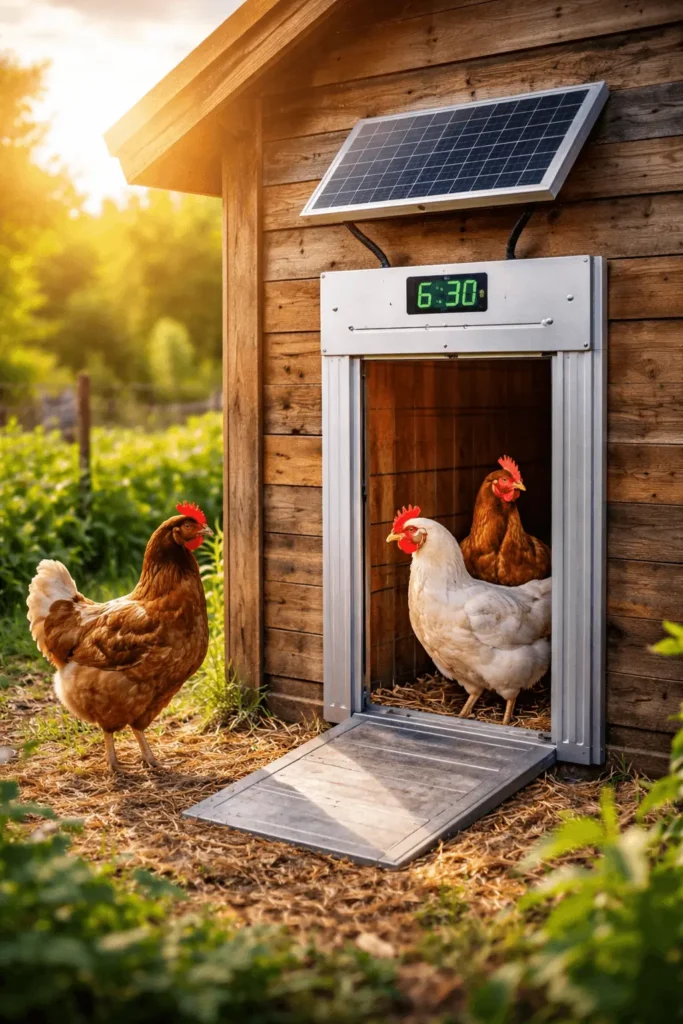
Smaller solar setups are also used for automation projects like lighting systems or automatic coop doors, where low-wattage panels and compact batteries are enough for daily operation.
5. Expandability
Can you add a second panel later?
How Many Solar Panels Do You Actually Need
Simple math:
- 100W panel → 400-500Wh per day
- 200W panel → 800-1000Wh per day
Now compare with your usage.
If you run:
- Starlink Mini
- Laptop
- Phone
You will need at least 200W input to stay sustainable.
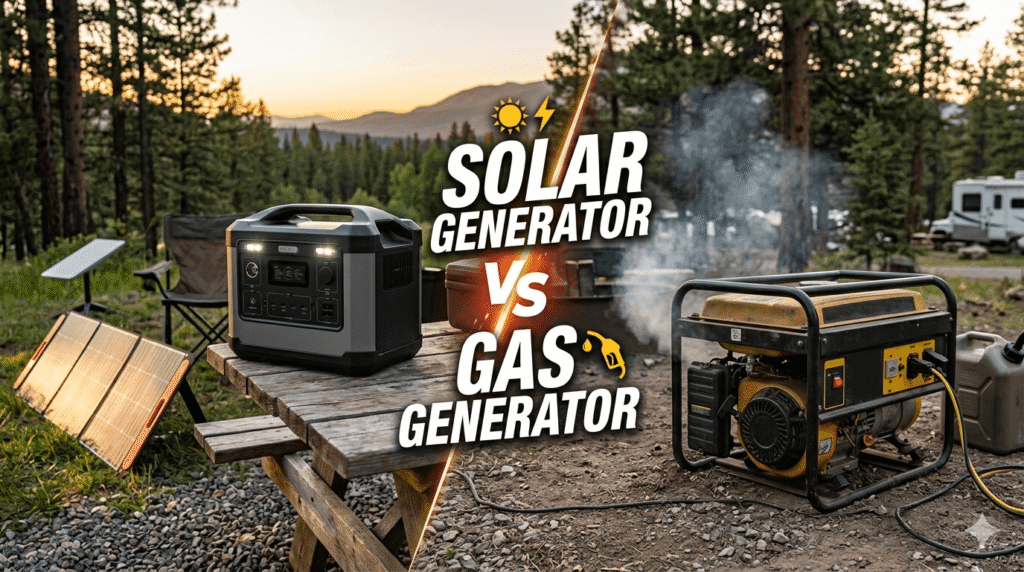
At this point, some people ask whether switching to a gas generator instead of solar would be easier. It can be, but it comes with trade-offs.
Portable Solar Panels for camping (Starlink Setup)
If you run Starlink Mini, your system needs stability.
Typical draw:
- 25W to 40W continuous
That means:
- 600Wh to 1000Wh daily usage
A single 100W panel struggles here.
A 200W panel keeps up.
If you have not chosen your power station yet, you will need to match your panel output with the right battery capacity. We already tested several portable solar generator for Starlink Mini setups that handle Starlink and similar loads without bottlenecks and also best portable solar generators for camping at all (if more power needed).
Setup Tips That Actually Make a Difference
Angle Matters
Keep panel at 30 to 45 degrees.
Avoid Heat
Heat reduces efficiency. Keep airflow behind panels.
Use Longer Cables
Place panels in sun. Keep batteries cool.
Clean Surface
Dust kills output. Wipe panels daily if needed.
FAQ
What is the best wattage for portable solar panels for camping?
200W is the sweet spot for most off-grid setups.
Can I use multiple solar panels together?
Yes. Use parallel or series connections depending on your generator limits.
Do portable solar panels work on cloudy days?
Yes, but output drops significantly, often below 50 percent.
Are bifacial solar panels worth it?
Yes if you have reflective surfaces like sand or snow.
How long do portable solar panels last?
Most quality panels last 10 to 15 years with proper use.
Call to action
If you are building a real off-grid setup, do not treat solar panels as an afterthought.
Pick the right panel first. Then build your system around it.
That is where reliable power starts.